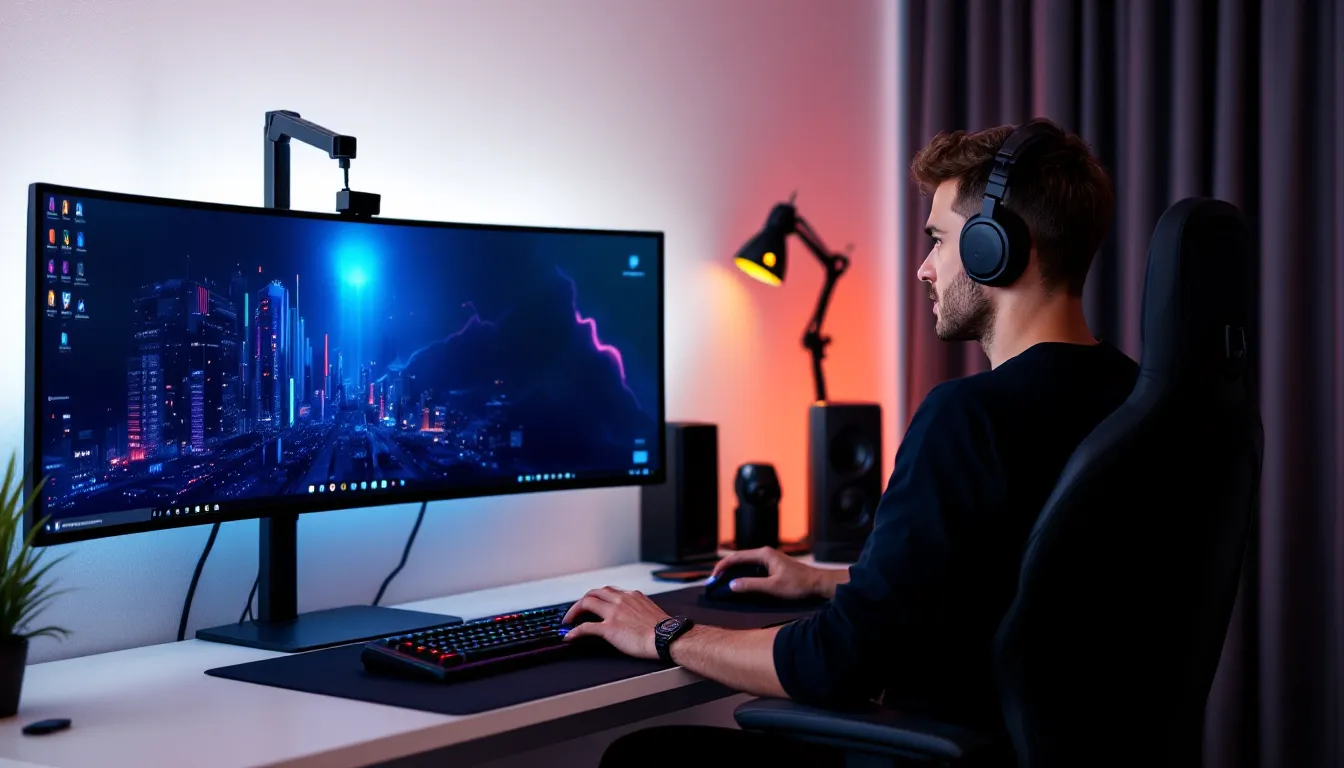

BFNCPlayer has carved out its niche in the online gaming landscape, attracting players who demand performance, reliability, and a competitive edge. Whether you’re grinding ranked matches, streaming your gameplay, or just trying to squeeze every frame out of your system, the accessories you choose can make or break your experience. It’s not just about having gear, it’s about having the right gear that matches your playstyle, budget, and platform.
This guide breaks down the essential and advanced online gaming accessories that BFNCPlayer enthusiasts need in 2026. From mice with pixel-perfect tracking to monitors that eliminate ghosting, we’ll cover what actually matters, who makes the best hardware, and how to avoid wasting cash on marketing hype. Let’s get your setup dialed in.
Key Takeaways
- Online gaming accessories for BFNCPlayer directly impact competitive performance, with input lag from mice, audio delays in headsets, and screen tearing on monitors potentially costing you matches.
- Essential gaming accessories include high-performance mice (16,000+ DPI sensors), mechanical keyboards (linear, tactile, or clicky switches), and premium headsets with spatial audio for competitive advantage.
- Competitive BFNCPlayer setups should prioritize 144Hz+ gaming monitors, low 1-4ms response times, and variable refresh rate technology (G-Sync or FreeSync) to eliminate ghosting and stuttering.
- Budget-conscious gamers can achieve competitive functionality with mid-tier accessories under $400 total (sub-$100 mouse, keyboard, and headset), while premium setups exceed $2,000 for professional players.
- Proper software optimization—adjusting DPI, polling rates, and disabling mouse acceleration—is just as important as hardware selection for translating BFNCPlayer gameplay skill into consistent results.
- Regular maintenance like cleaning mouse sensors, replacing worn keyboard keycaps, and conditioning headset cushions can double or triple the lifespan of gaming peripherals, protecting your investment.
What Is BFNCPlayer and Why Your Accessories Matter
BFNCPlayer is an online gaming platform and community that supports cross-platform play, competitive matchmaking, and social features designed for gamers who take their sessions seriously. While it’s accessible on PC, console, and select mobile devices, the platform’s performance-oriented design means that hardware choices directly impact your results.
Unlike casual gaming experiences where a basic setup might suffice, BFNCPlayer’s emphasis on competitive gameplay and real-time communication puts extra stress on peripherals. Input lag from a sluggish mouse, audio delays in your headset, or screen tearing on your monitor can cost you matches. The platform’s player base skews toward enthusiasts who optimize every aspect of their setup, so showing up with subpar gear puts you at a measurable disadvantage.
Accessories aren’t just about comfort or aesthetics, they’re performance tools. A high-DPI mouse translates to faster flick shots. A mechanical keyboard with low actuation force reduces fatigue during marathon sessions. A headset with spatial audio helps you pinpoint enemy footsteps before they round the corner. For BFNCPlayer users, these aren’t luxury upgrades: they’re baseline expectations.
Essential Gaming Accessories Every BFNCPlayer Needs
These are the core peripherals that form the foundation of any serious gaming setup. Skip these, and you’re handicapping yourself before the match even starts.
High-Performance Gaming Mice for Precision Control
Your mouse is the most direct line between intent and action. For BFNCPlayer, where twitch reflexes and accurate tracking matter, you need a sensor that doesn’t skip pixels and buttons that register without mushy pre-travel.
Look for mice with at least 16,000 DPI sensors from PixArt or equivalent manufacturers, though most players run between 400-1600 DPI depending on their sensitivity preferences. Weight matters too, lighter mice (under 70g) dominate the FPS scene, while MOBA and MMO players often prefer something with more heft and programmable buttons.
Wireless has finally caught up to wired in 2026. Models using proprietary 1000Hz+ polling rates eliminate the latency concerns that plagued earlier wireless designs. Popular choices include the Logitech G Pro X Superlight 2, Razer Viper V3 Pro, and the budget-friendly Glorious Model O 2. If you’re on console, check compatibility, some high-end mice work with Xbox and PlayStation when paired with adapters, but not all features carry over.
Pro tip: Don’t obsess over maximum DPI specs. Sensor consistency and shape matter more than raw numbers. A mouse that fits your grip style (palm, claw, or fingertip) will always outperform one with flashy specs but poor ergonomics.
Mechanical Keyboards Built for Speed and Durability
Membrane keyboards are fine for typing emails. For gaming? You want mechanical switches that provide tactile feedback, faster actuation, and the durability to survive tens of millions of keystrokes.
In 2026, three switch types dominate:
- Linear switches (Cherry MX Red, Gateron Yellow): Smooth travel with no tactile bump. Preferred for FPS and rapid inputs.
- Tactile switches (Cherry MX Brown, Kailh Box Brown): Noticeable bump without the click sound. Versatile for gaming and typing.
- Clicky switches (Cherry MX Blue, Kailh Box White): Audible click with strong tactile feedback. Love them or hate them, but your roommates will definitely hear them.
Full-size keyboards give you a numpad, but tenkeyless (TKL) and 60% layouts free up desk space for wider mouse movements, critical for low-sensitivity players. Hot-swappable PCBs let you change switches without soldering, future-proofing your investment.
Top picks include the SteelSeries Apex Pro TKL (adjustable actuation), Corsair K70 RGB Pro (reliable build quality), and Keychron V-series for budget-conscious buyers who don’t want to sacrifice quality.
Premium Headsets for Immersive Audio and Team Communication
Audio cues separate good players from great ones. Hearing an enemy reload behind a wall or catching subtle footsteps on metal grating gives you actionable intel that no amount of visual awareness can replace.
Wired headsets still edge out wireless for zero-latency audio, though high-end wireless models like the SteelSeries Arctis Nova Pro Wireless have closed the gap to near-imperceptible levels. Look for 50mm drivers minimum, closed-back designs for noise isolation, and detachable boom mics with noise cancellation.
Spatial audio technologies, Windows Sonic, Dolby Atmos, DTS Headphone:X, can enhance positional awareness in supported games, though purists still argue over their effectiveness versus good stereo imaging. Test them yourself: results vary by game engine and personal preference.
Comfort during long sessions demands memory foam ear cushions, adjustable headbands, and reasonable clamping force. The HyperX Cloud Alpha Wireless delivers 300+ hours of battery life. The Audeze Maxwell offers planar magnetic drivers for audiophile-grade sound. Budget buyers should check out the SteelSeries Arctis Nova 3 or HyperX Cloud Stinger 2.
Don’t forget platform compatibility. Some headsets include multiple connection options (USB, 3.5mm, Bluetooth) to work seamlessly across PC, console, and mobile.
Gaming Monitors That Deliver Competitive Advantage
Your GPU might render 300 FPS, but if your monitor only refreshes at 60Hz, you’re seeing outdated frames and losing fights you should’ve won. Competitive BFNCPlayer setups in 2026 start at 144Hz and increasingly push toward 240Hz or even 360Hz for esports-focused players.
Panel technology breaks down into three camps:
- TN panels: Fastest response times (1ms GTG), cheapest, but worse color accuracy and viewing angles.
- IPS panels: Better colors and viewing angles, slightly slower response (1-4ms), moderate pricing.
- OLED panels: Perfect blacks, infinite contrast, vivid colors, but expensive and potential burn-in concerns for static UI elements.
Resolution is a balancing act. Most competitive players stick with 1920×1080 at 240Hz+ to maximize frame rates and minimize GPU load. If you’re running a high-end GPU (RTX 5080/RX 8800 XT or better) and play slower-paced titles, 1440p at 165-240Hz offers sharper visuals without sacrificing too much performance.
Variable refresh rate tech, G-Sync (NVIDIA) or FreeSync (AMD), eliminates screen tearing and stuttering when frame rates fluctuate. In 2026, most monitors support both through G-Sync Compatible certification. Testing from display experts at RTINGS confirms that mid-tier FreeSync monitors perform nearly identically to premium G-Sync modules for most users.
Monitor arms free up desk space and let you adjust height and angle on the fly, improving posture and sightlines during intense matches.
Advanced Accessories to Maximize Your BFNCPlayer Experience
Once the essentials are locked in, these upgrades push your setup from functional to optimized.
Mouse Pads and Desk Mats for Consistent Performance
Mouse sensors need consistent surfaces to track accurately. Hard pads (plastic, aluminum, glass) offer speed and low friction, ideal for fast flicks and resetting quickly. Soft cloth pads provide more control and stopping power, preferred by players who value precision over speed.
Size matters. Small pads (250x210mm) work for high-sensitivity players. If you’re running low sens and need sweeping arm movements, go XL (900x400mm) or full desk mats. Extended mats also cushion your keyboard and protect your desk surface.
Look for stitched edges to prevent fraying, non-slip rubber bases, and surfaces that play nice with your mouse’s sensor. Popular options include the Artisan Hien (premium cloth), SteelSeries QcK Heavy (budget-friendly), and the Logitech G840 for extended coverage.
Webcams and Lighting for Streaming and Content Creation
BFNCPlayer’s built-in streaming integration makes it easy to share gameplay, but viewers expect decent production quality. A grainy 720p webcam and dim lighting will tank your viewer retention faster than a bad losing streak.
Entry-level streaming starts with the Logitech C920 (1080p/30fps) or Razer Kiyo (ring light included). Serious streamers upgrade to the Elgato Facecam (1080p/60fps, uncompressed) or mirrorless cameras via HDMI capture cards for DSLR-quality video.
Lighting is non-negotiable. Ring lights eliminate shadows on your face. Key lights (Elgato Key Light, Neewer LED panels) offer adjustable color temperature and brightness. Position lights at 45-degree angles to avoid harsh shadows and washed-out skin tones.
Green screens expand your creative options, letting you remove backgrounds or add overlays. Collapsible screens work for tight spaces: wall-mounted setups deliver cleaner keys with fewer wrinkles.
Controller Upgrades and Console Gaming Accessories
PC players dominate BFNCPlayer, but console support is solid on PlayStation 5 and Xbox Series X
|
S. Stock controllers work fine, but competitive console players often upgrade to models with back paddles, adjustable trigger stops, and swappable thumbsticks.
The Xbox Elite Wireless Controller Series 2 remains a top choice with its customizable profiles and premium build. PlayStation users lean toward the DualSense Edge, which adds similar features to Sony’s haptic feedback ecosystem. Third-party options like SCUF and Battle Beaver offer deeper customization at higher price points.
Kontrol Freek thumbstick extenders improve aim precision without replacing the whole controller. Charging docks keep batteries topped off between sessions, no more scrambling for AA batteries mid-match.
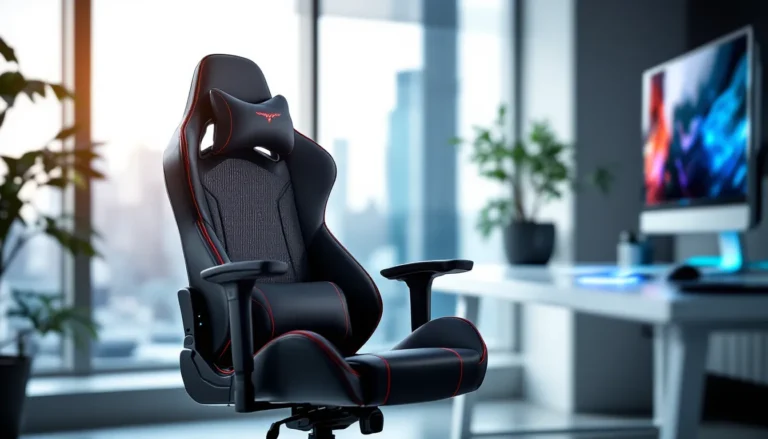
Ergonomic Gaming Chairs for Long Sessions
You can’t perform if your back is screaming after two hours. Gaming chairs get memed, but proper lumbar support and adjustability genuinely matter during marathon sessions.
Skip the “racing seat” aesthetic garbage with fake leather that peels after six months. Look for chairs with adjustable lumbar support, 4D armrests (height, width, depth, angle), and breathable mesh or quality fabric.
Secretlab Titan Evo delivers premium materials and ergonomics. Herman Miller x Logitech Embody offers office-chair build quality with gaming aesthetics. Budget options include the GTRACING GT890M or Hbada ergonomic office chairs, which sacrifice RGB but deliver actual comfort.
Proper posture: feet flat on the floor, thighs parallel to the ground, monitor at eye level, elbows at 90 degrees. Your chair should support this naturally without forcing awkward positions.
How to Choose the Right Accessories for Your Gaming Style
Not every gamer needs every accessory. Matching gear to your actual habits prevents wasted money and cluttered desks.
Assessing Your Primary Game Genres and Playstyle
FPS players (Call of Duty, Valorant, Apex Legends) prioritize low input lag, high refresh rates, and lightweight mice. MOBAs and strategy games (League of Legends, Dota 2) benefit from programmable macro keys and mice with extra buttons. MMO enthusiasts need keyboards with dedicated macro rows and mice with 12+ side buttons.
BFNCPlayer supports a wide range of genres, so identify your main games before buying. If you’re splitting time between shooters and RPGs, versatile gear, a mid-weight mouse with 6-8 programmable buttons, a TKL mechanical keyboard, a 165Hz monitor, covers most bases without specializing too narrowly.
Playstyle matters as much as genre. Aggressive entry fraggers want speed and quick resets. Support players need clear comms and spatial audio. Anchors holding angles prefer precision and consistency over flashy flicks.
Budget Considerations: Value vs. Premium Options
Diminishing returns hit hard above $150 for mice, $200 for keyboards, and $500 for monitors. A $70 Logitech G Pro wired mouse performs 95% as well as a $160 wireless flagship for most players. The last 5% matters to pros making a living from performance: for everyone else, it’s marginal gains.
Allocate budget based on impact:
- Monitor (highest priority), directly affects what you see and when.
- Mouse, your primary input device.
- Headset, audio intel is clutch.
- Keyboard, matters, but less than the above three.
- Chair, lighting, aesthetics, quality-of-life improvements.
Buying mid-tier across all categories beats owning one premium item and cheap filler. A balanced setup performs better than unbalanced overkill.
Compatibility Across PC, Console, and Mobile Platforms
BFNCPlayer’s cross-platform support is great until your $200 mouse doesn’t work on your secondary console. Check compatibility before buying.
USB-A peripherals work universally on PC and most consoles. USB-C is increasingly common but may need adapters. Bluetooth mice and headsets connect to mobile easily but often introduce latency unsuitable for competitive play.
Wireless dongles (2.4GHz proprietary) deliver the best wireless performance but usually only pair with one device at a time. Some high-end peripherals support multi-device pairing, letting you switch between PC and console with a button press.
Keyboards and mice with onboard memory store profiles directly on the device, so your settings carry over when plugging into different systems without reinstalling software.
Top Brands and Products for BFNCPlayer Enthusiasts in 2026
Not all gaming gear is created equal. These brands consistently deliver performance that holds up under competitive stress.
Leading Gaming Peripheral Manufacturers
Logitech dominates with reliable sensors, long battery life, and broad product lines covering every price tier. The G Pro series remains a staple among pros.
Razer pushes innovation with optical switches, high polling rates, and ecosystem integration. Their Synapse software ties everything together, though it can be bloated.
SteelSeries balances performance and build quality. The Apex keyboards and Arctis headsets earn consistent praise from competitive players.
Corsair offers premium materials and extensive RGB customization. Their iCUE software is powerful but resource-intensive.
HyperX (now owned by HP) delivers excellent value in the budget-to-midrange space, particularly for headsets and entry-level mechanical keyboards.
Niche brands like Glorious, Finalmouse, and Vaxee cater to enthusiasts who want specialized shapes, ultra-lightweight designs, or no-software simplicity. Detailed testing from pro player configurations on ProSettings shows these brands popping up frequently in competitive inventories.
Best Budget-Friendly Accessories Under $100
You don’t need to drop four figures to compete.
- Mouse: Logitech G305 Wireless ($50-60), solid sensor, lightweight, wireless, AA battery lasts 250 hours.
- Keyboard: Keychron C1 or Redragon K582 ($50-70), hot-swappable, mechanical, decent build.
- Headset: HyperX Cloud Stinger 2 ($50), comfortable, clear audio, durable.
- Monitor: AOC 24G2 ($180), 1080p, 144Hz, IPS, FreeSync.
Total budget setup: roughly $350-400. Not flashy, but functional and competitive.
Premium Setups for Competitive and Professional Gaming
When money isn’t the limiting factor:
- Mouse: Logitech G Pro X Superlight 2 ($160), 63g, 32,000 DPI, 8KHz polling optional.
- Keyboard: Wooting 60HE+ ($200), analog input, rapid trigger, insane customization.
- Headset: Audeze Maxwell ($330), planar magnetic drivers, 80-hour battery, multi-platform.
- Monitor: ASUS ROG Swift PG27AQN ($900), 1440p, 360Hz, IPS, G-Sync Ultimate.
- Chair: Secretlab Titan Evo 2024 ($500), 4-way lumbar, magnetic memory foam, premium build.
Total premium setup: $2,000+ just for peripherals, not counting the PC or console itself.
Reviews from PCMag’s gaming accessory tests consistently rank these models at the top for performance, build quality, and longevity.
Optimizing Your Gaming Setup for Peak Performance
Buying the gear is step one. Configuring it properly is where performance gains actually materialize.
Cable Management and Desk Organization Tips
Cable clutter isn’t just ugly, it interferes with mouse movement, creates tripping hazards, and makes troubleshooting a nightmare.
Start with a cable tray or raceway mounted under your desk. Route power cables, USB hubs, and monitor cables through it. Use velcro straps (not zip ties, you’ll need to adjust things) to bundle cables together without strangling them.
Mouse cables should have minimal slack and use a bungee or cable holder to prevent drag. Some players go full wireless to eliminate this entirely.
Power strips with individual switches let you kill phantom draw and quickly power-cycle peripherals. Label everything. Future you will thank present you.
RGB Lighting and Aesthetic Customization
RGB gets mocked, but coordinated lighting actually reduces eye strain in dark rooms and helps you locate keys by color-coding functions (red for abilities, blue for comms, etc.).
Most manufacturers use proprietary software (Razer Synapse, Corsair iCUE, Logitech G Hub). Unify your ecosystem within one brand if you want synchronized effects without running four background apps.
Bias lighting (LED strips behind your monitor) reduces contrast between the bright screen and dark room, cutting down on eye fatigue. Aim for 6500K color temperature to match most monitor defaults.
Don’t overdo it. A desk that looks like a rave is distracting. Subtle accents beat blinding rainbow vomit.
Software and Driver Optimization for Accessories
Out-of-the-box settings rarely maximize performance. Jump into the software:
- DPI adjustments: Set DPI stages that match your in-game sensitivity. Many players use one DPI for general use, one for precise aiming.
- Polling rate: Max it out (1000Hz minimum). Higher rates reduce input lag but increase CPU overhead slightly.
- Debounce delay: Lower it for faster double-click registration, but not so low you get phantom clicks.
- RGB profiles: Save profiles to onboard memory so they work without software running.
Update firmware regularly. Manufacturers patch bugs and improve sensor performance through updates. Don’t skip them.
Disable Windows mouse acceleration (“Enhance pointer precision”). It’s inconsistent and ruins muscle memory. Set pointer speed to 6/11 in Windows settings.
For competitive advantages, gamers active in the online gaming community often share optimized config files and DPI calculators that translate settings across games.
Maintenance and Care Tips to Extend Accessory Lifespan
Quality gear isn’t cheap. Proper maintenance doubles or triples its useful life.
Mice: Dust and skin oils gunk up sensors and mouse feet. Remove the feet periodically and clean the sensor with isopropyl alcohol on a cotton swab. Replace worn feet with aftermarket skates (Corepad, Tiger Arc) for better glide.
Keyboards: Keycaps accumulate grime. Pull them off (use a keycap puller, not your fingernails) and wash them in warm soapy water. Blow out the switch plate with compressed air. For serious spills, disassemble fully and clean the PCB with isopropyl alcohol before it dries.
Headsets: Ear cushions degrade from sweat and oils. Most high-end models sell replacement cushions. Clean them monthly with a damp cloth. Store headsets on a stand to prevent headband stress.
Monitors: Dust the panel with a microfiber cloth. For smudges, use screen cleaner or distilled water, never Windex or ammonia-based sprays, which damage coatings. Clean vents to prevent heat buildup.
Chairs: Vacuum fabric regularly. For leather or PU leather, wipe with a damp cloth and condition every few months to prevent cracking. Tighten bolts annually: they loosen with use.
Store peripherals in a dry environment. Humidity corrodes contacts and degrades plastics over time.
Where to Buy Gaming Accessories and Find the Best Deals
Retailers vary wildly in price, stock, and return policies. Shop smart.
Amazon offers convenience and fast shipping, but prices fluctuate. Use CamelCamelCamel to track price history and wait for drops. Third-party sellers sometimes move refurbs or fakes, check seller ratings.
Newegg specializes in PC components and peripherals. Their combo deals occasionally beat Amazon, especially during sales events.
Best Buy provides in-store testing for mice and headsets. Their return policy is solid if you need to try before committing. Price-match with online competitors.
Manufacturer direct sites (Logitech, Razer, SteelSeries) run exclusive sales and bundles. Sign up for email lists to catch early-bird discounts.
Microcenter (if you’re near a location) stocks hard-to-find enthusiast gear and sometimes undercuts online prices on clearance.
r/buildapcsales and Slickdeals aggregate deals in real-time. Set alerts for specific models.
Timing matters. Black Friday, Cyber Monday, and back-to-school sales offer the deepest discounts. Prime Day (July) and manufacturer anniversary sales pop up mid-year.
Refurbished gear saves money if you buy from reputable sources (manufacturer refurbs > third-party). Check warranty terms, some refurbs carry shorter coverage.
Avoid impulse buys during “limited-time flash sales.” Verify the deal is actually a discount by checking price history first.
Conclusion
Online gaming accessories for BFNCPlayer aren’t about flexing on your Discord server, they’re about translating skill into results. The right mouse eliminates the gap between thought and action. A fast monitor shows you what’s happening now, not 20ms ago. A comfortable chair lets you grind ranked without your spine filing for divorce.
Start with the essentials: a responsive mouse, a mechanical keyboard that fits your switches preference, a headset with clean audio and a decent mic, and a monitor that actually refreshes fast enough to matter. From there, expand based on your specific needs, streamers need lighting and webcams, console players want controller upgrades, marathon grinders need ergonomic seating.
Don’t chase specs you won’t use. A 360Hz monitor is wasted if your GPU can’t push those frames. A $300 headset won’t make you hear better than a well-tuned $100 model. Match your gear to your games, your budget, and your actual playstyle.
Maintain what you buy, optimize the software, and keep an eye out for deals. Your setup is an investment in your performance and enjoyment. Build it smart, and you’ll be fragging out on BFNCPlayer for years to come.