
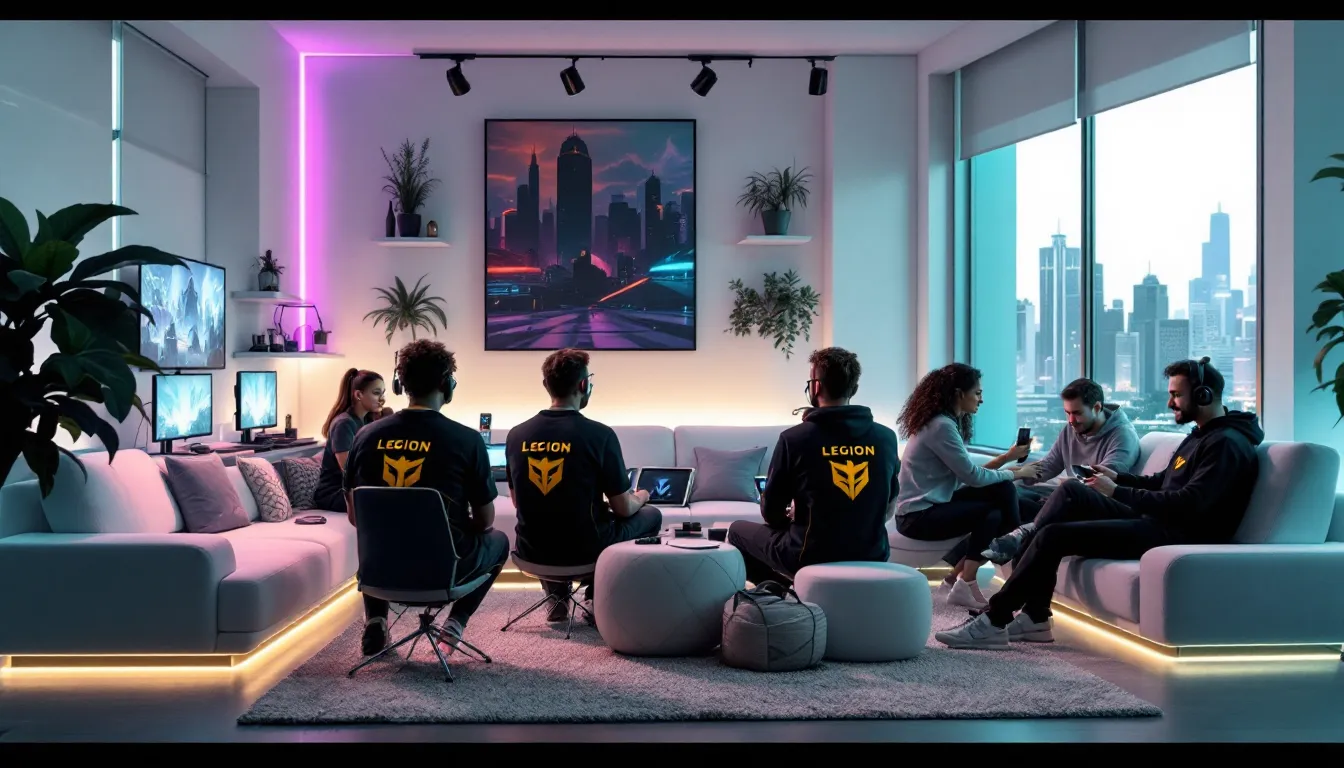

Looking for a place where your gaming obsession is celebrated instead of questioned? Where you can find teammates who actually communicate, tournaments that test your skills, and a crew that gets why you’re still grinding at 2 AM? The Legion Gaming Community has been pulling in players from every corner of the gaming world, and for good reason. Whether you’re a weekend warrior looking for casual squads or a competitive player chasing leaderboard glory, Legion’s ecosystem spans PC, console, and mobile platforms with an active roster that keeps growing.
This isn’t another dead Discord server or overhyped gaming “family” that fizzles out after launch week. Legion has built something sustainable, a community structure that supports everyone from streamers building their audience to indie game enthusiasts swapping hidden gem recommendations. If you’re tired of toxic randoms, unreliable teammates, or just playing solo because you haven’t found your people yet, this guide breaks down everything you need to know about joining, navigating, and making the most of what Legion offers in 2026.
Key Takeaways
- The Legion Gaming Community is a multi-platform network of 50,000+ active members spanning PC, console, and mobile gaming with structured sub-communities for competitive teams, casual players, and content creators.
- Joining Legion involves a simple 15-minute application process designed to organize members into relevant game-specific channels rather than gatekeep, with approval typically within 24 hours.
- Legion enforces strict moderation and community standards that prioritize inclusivity while eliminating toxicity through a tiered warning system and permanent bans for cheating, making it distinct from typical gaming communities.
- The gaming community hosts weekly tournaments, seasonal championships with prize pools, and social events that balance competitive play with casual game nights, improving player skills through coaching and mentorship programs.
- Building reputation in Legion requires consistent participation, reliable commitment to teams and events, quality contributions to discussions, and helping other members—with positive reputation unlocking perks and leadership opportunities.
- Active Legion members gain access to exclusive guides, meta analysis channels, hardware partnerships offering 10-20% discounts, and networking opportunities with esports professionals and content creators.
What Is the Legion Gaming Community?
Legion Gaming Community is a multi-platform gaming network that connects players across titles, genres, and skill levels. Unlike single-game clans or platform-exclusive groups, Legion operates as an umbrella organization hosting dozens of sub-communities, each focused on specific games or gaming interests.
The structure prioritizes accessibility and organization. Players aren’t thrown into a chaotic 10,000-member server where messages scroll past before you can respond. Instead, Legion uses specialized channels, role-based access, and game-specific hubs so you actually find the content and players relevant to your interests.
Origins and Evolution of Legion Gaming
Legion started in 2018 as a small PC gaming clan focused primarily on competitive FPS titles. The founding members, a group of former semi-pro players and community moderators from various gaming forums, wanted to create a space that balanced competitive drive with positive community culture.
By 2020, Legion had expanded beyond its FPS roots, adding MOBA divisions and casual gaming sections. The real turning point came in 2022 when they integrated console and mobile gaming branches, transforming from a niche clan into a legitimate cross-platform community. The addition of content creator support programs in 2023 brought in streamers and YouTubers, further diversifying the member base.
As of early 2026, Legion operates with regional divisions across North America, Europe, and Asia-Pacific, with over 50,000 active members participating in everything from ranked ladder grinds to monthly game nights.
Core Values and Mission
Legion’s mission statement sounds simple: “Build a sustainable gaming community where players improve, connect, and compete without the toxicity that plagues online gaming.” But they actually enforce it through active moderation and a tiered warning system that deals with problem members quickly.
The core values break down into three pillars:
Inclusivity Without Compromise: Legion welcomes gamers regardless of skill level, but doesn’t tolerate harassment, discrimination, or the kind of “edgy” humor that makes voice chat unbearable. This balance attracts mature players tired of the usual gaming cesspool.
Competitive Integrity: Whether it’s a casual Friday night tournament or a ranked team pushing for regional qualification, cheating gets you banned permanently. No second chances. No “but my friend was on my account” excuses.
Community Investment: Members who contribute, whether through organizing events, creating guides, mentoring new players, or moderating channels, get recognized through a reputation system that unlocks perks, priority event registration, and leadership opportunities.
Who Makes Up the Legion Gaming Community?
Legion’s membership spans the full gaming spectrum, which is both its strength and its biggest organizational challenge. The community deliberately avoids gatekeeping based on skill or time commitment, creating a diverse roster that sometimes surprises new members.
Casual Gamers and Hobbyists
The largest segment of Legion’s community plays games for fun, stress relief, and social connection rather than competitive achievement. These members typically log 5-15 hours per week across various titles.
Casual sections host game nights for co-op titles, organize book club-style playthroughs of story-driven games, and maintain channels dedicated to gaming news and industry discussion. You’ll find parents who game after kids go to bed, college students balancing classes and gaming, and working professionals who treat gaming as their primary hobby.
This segment keeps Legion grounded. When competitive divisions get too intense or drama-prone, the casual sections remind everyone that gaming is supposed to be enjoyable.
Competitive Players and Esports Teams
Legion fields competitive rosters across multiple titles, with teams ranging from amateur to semi-professional level. These players treat gaming with the seriousness of an athletic pursuit, scheduled practice, VOD review sessions, strategy discussions, and performance analytics.
The competitive divisions operate with stricter requirements. Players need to maintain minimum rank thresholds in their respective games, attend regular practice sessions, and participate in both internal scrimmages and external tournaments. Understanding competitive gaming guides helps many Legion players refine their approach to ranked play.
Legion’s esports infrastructure includes dedicated coaches for major titles, analysts who break down meta shifts after patches, and tournament organizers who coordinate both internal leagues and external competition participation. In 2025, three Legion teams qualified for regional tournaments in League of Legends, Valorant, and Rocket League, with one squad placing in the top 16 of a North American Valorant qualifier.
Content Creators and Streamers
The creator segment has grown significantly since 2023. Legion now hosts over 200 active content creators ranging from small streamers building their first 100 followers to established YouTubers with six-figure subscriber counts.
Legion provides creator support through collaboration opportunities, viewer raids between member streams, feedback channels where creators workshop content ideas, and even basic equipment advice for those upgrading their setups. The community maintains a content calendar so creators can coordinate streams around major Legion events without competing for the same audience simultaneously.
This symbiotic relationship benefits everyone: creators get engaged viewers and collaboration partners, while Legion gains visibility and attracts new members who discover the community through streams and videos.
Platform Diversity: PC, Console, and Mobile Gaming
Platform wars don’t exist within Legion, at least not seriously. Members might joke about input methods or framerates, but the community structure treats PC, console, and mobile gaming as equally valid rather than creating a hierarchy.
Legion’s PC Gaming Ecosystem
PC gaming forms Legion’s largest and most established division, reflecting the community’s origins. The PC section hosts competitive teams for titles like Valorant, CS2, League of Legends, Dota 2, and Overwatch 2.
Beyond competitive play, PC divisions organize events around simulation games, strategy titles, and MMORPGs that work best on keyboard and mouse. The PC modding community has become particularly active, with members sharing custom content, troubleshooting mod conflicts, and coordinating modded multiplayer sessions. Many Legion PC players regularly browse resources like Nexus Mods to enhance their single-player experiences between multiplayer sessions.
The PC section also runs a hardware discussion channel where members share build advice, troubleshoot performance issues, and coordinate group purchases during sales to maximize volume discounts.
Console Gaming Communities Within Legion
Console divisions split primarily between PlayStation and Xbox, with separate organizational structures that mirror PC’s setup but accommodate platform-specific features and limitations.
PlayStation Legion members coordinate around exclusives and franchises with strong PS communities, Gran Turismo 7 racing leagues, Destiny 2 raid groups, and Call of Duty squads dominate the activity. The PS division organized a 64-player God of War Ragnarök speedrun tournament in January 2026 that drew participants from across North America.
Xbox sections focus heavily on Game Pass titles, taking advantage of the service’s library to organize community playthroughs of games that might not have large dedicated followings. Halo Infinite and Forza remain staples, but the Xbox division experiments more with indie titles and shorter experiences.
Both console sections deal with the same challenge: coordinating voice chat and team formation without the robust third-party tools PC players take for granted. Legion addresses this through Discord integration and dedicated voice channels that supplement in-game communication.
Mobile Gaming and Cross-Platform Play
Mobile gaming within Legion was initially an afterthought but has grown into a legitimate division as mobile titles have become more sophisticated. The mobile section focuses on competitive titles like PUBG Mobile, Call of Duty Mobile, League of Legends: Wild Rift, and Genshin Impact.
Mobile players face unique scheduling challenges since many play during commutes, lunch breaks, or other gaps in their day rather than dedicated gaming sessions. Legion’s mobile division accommodates this through asynchronous tournaments, shorter event formats, and flexible participation requirements.
Cross-platform coordination happens primarily around games that support cross-play: Fortnite, Rocket League, Call of Duty: Warzone, and Apex Legends. These titles let Legion members team up regardless of hardware, though platform-specific divisions still handle ranked grinding and platform-exclusive events.
Popular Games and Genres in the Legion Community
Legion doesn’t mandate specific titles, but natural clustering happens as members gravitate toward games with active player bases and competitive infrastructure. Game popularity within Legion shifts with patches, new releases, and meta changes, but certain genres maintain consistent representation.
Multiplayer and Battle Royale Favorites
Battle royale titles dominate Legion’s event calendar and competitive divisions. Apex Legends, Fortnite, and Call of Duty: Warzone all maintain dedicated sub-communities with ranked grinding groups, custom lobby tournaments, and coaching channels.
Apex Legends saw a resurgence within Legion following Season 23’s major ranked overhaul in late 2025. The game’s emphasis on team composition and communication meshes well with Legion’s squad-based structure. Multiple Legion teams maintain Masters rank each season, with a handful of players pushing into Predator territory.
Fortnite’s Legion community skews slightly younger and more casual compared to other battle royales, hosting creative mode events and Zero Build tournaments alongside traditional competitive modes. The quarterly Fortnite tournaments regularly draw 100+ participants.
Warzone remains popular but experienced some membership decline in early 2026 as players voiced frustration with meta weapon balance and cheating issues even though Ricochet anti-cheat updates.
MOBA and Competitive FPS Games
MOBAs represent Legion’s most hardcore competitive segment. League of Legends and Dota 2 divisions operate with structured ranked ladders, weekly practice schedules, and serious roster management.
League’s Legion community maintains multiple ranked teams across divisions from Gold to Masters, plus a mentorship program where higher-ranked players review replays and provide coaching. The LoL section updates regularly after patch notes drop, with theorycrafters analyzing changes and updating recommended builds within hours.
Dota 2’s smaller but intensely dedicated Legion community focuses on team play rather than solo queue grinding. The Dota division organizes in-house leagues that let members practice in a competitive environment without dealing with random pub game frustrations.
Competitive FPS titles, Valorant, Counter-Strike 2, and Rainbow Six Siege, form another pillar of Legion’s competitive infrastructure. These games emphasize teamwork, communication, and strategic depth that rewards organized squad play over individual mechanics.
Valorant has become Legion’s largest competitive FPS community, with six active rosters competing in various amateur and semi-pro leagues. The game’s accessible mechanics combined with high skill ceiling make it popular across both casual and competitive segments.
Indie Games and Hidden Gems
Legion’s indie gaming section might be the community’s best-kept secret. This division organizes monthly playthroughs of smaller titles that might not have large player bases but offer unique experiences worth discussing.
Recent indie spotlights included Lethal Company (which spawned dozens of hilarious clip compilations), Content Warning, Palworld during its viral peak, and various co-op horror games that work perfectly for streaming. The indie section maintains connections with several independent developers, occasionally securing early access keys for community members. For broader coverage of indie titles and gaming trends, many Legion members follow gaming journalism sites like Destructoid to stay informed.
This section serves another purpose: it’s where members go when they’re burned out on competitive gaming and need something fresh without the pressure of ranked grinds or meta optimization.
How to Join the Legion Gaming Community
Joining Legion takes about 15 minutes if you know what you’re doing, though figuring out where you fit within the community structure takes longer. The process prioritizes filtering serious applicants from people who’ll ghost after two days.
Registration and Getting Started
Legion’s primary hub operates through Discord, with supplementary organization via their website and platform-specific LFG (looking for group) integrations. New members start by visiting Legion’s main website and filling out a basic application that asks about:
- Primary gaming platforms and peripherals
- Top 5 games currently playing
- Preferred gaming schedule (time zones matter for team coordination)
- Interest in casual versus competitive gaming
- Whether you’re looking for friends, teams, or both
- How you discovered Legion
The application isn’t gatekeeping, it’s organizational. Legion uses responses to direct new members toward relevant channels and introduce them to appropriate sub-communities rather than dumping everyone into a general channel.
Approval typically happens within 24 hours. Once accepted, new members receive a Discord invite and access to the new member orientation channel, which includes community rules, channel navigation guides, and a FAQ covering common questions.
Finding Your Niche and Game Groups
The overwhelming part comes next: Legion’s Discord has 200+ channels split across game-specific sections, regional divisions, and interest-based groups. New members often feel lost even though the orientation materials.
Smart approach: start by claiming your game-specific roles using Legion’s role assignment bot. This filters channel visibility so you’re only seeing content relevant to your interests. If you primarily play Valorant, Rocket League, and single-player RPGs, claim those roles and ignore everything else initially.
Each game-specific section includes:
- General discussion channel
- LFG channel for finding teammates
- Competitive division (if applicable)
- Clips and highlights channel
- News and updates channel for patches, meta discussions, etc.
Most successful integration happens when new members actively post in LFG channels rather than passively lurking. Introduce yourself, mention your rank/skill level honestly, and specify what you’re looking for. “Gold 3 Valorant player looking for chill ranked grinding, NA East, evenings” gets better responses than “anyone want to play?”
Legion also hosts weekly newcomer game nights specifically designed to help new members meet people and find their niche. These events cycle through popular titles and deliberately mix new members with established community veterans who can provide orientation.
Navigating Community Guidelines and Etiquette
Legion’s rules aren’t revolutionary, but enforcement is stricter than many gaming communities. The key guidelines:
Communication Standards: Trash talk between friends is fine. Harassment, slurs, discriminatory language, or sustained toxicity toward other members results in warnings and bans. The “it’s just gaming culture” defense doesn’t fly.
Commitment Expectations: If you commit to a competitive team or scheduled event, you’re expected to show up or provide advance notice. Ghosting teammates repeatedly gets you removed from competitive rosters and damages your community reputation.
Self-Promotion Limits: Content creators can share their streams and videos, but Legion isn’t a free advertising platform. The guideline: contribute to discussions and community activities more than you promote your content. The ratio should favor participation over self-promotion.
Drama Management: Personal conflicts happen, but airing grievances publicly or brigading other members isn’t tolerated. Legion has a mediation process through moderators for serious disputes.
The reputation system tracks both positive contributions and negative incidents. Members who consistently help others, organize events, or contribute quality content build positive reputation that unlocks perks. Those who accumulate warnings or negative feedback face escalating consequences.
Benefits of Being Part of Legion Gaming
The pitch is simple: Legion provides infrastructure, organization, and social connections that solo players and small friend groups can’t replicate on their own. But whether those benefits matter depends on what you’re looking for from a gaming community.
Access to Tournaments and Competitive Events
Legion runs something competitive almost weekly across its various game divisions. These range from casual bracket tournaments with zero entry requirements to serious competitive events with prize pools and qualification requirements.
Internal tournaments let members compete in organized formats without external pressure. A February 2026 Valorant tournament drew 80 participants across 16 teams, running Swiss format brackets over two weekends. Winners received Discord profile customization, priority registration for future events, and Legion community recognition.
More serious players can join competitive rosters that represent Legion in external tournaments and leagues. These teams practice regularly, receive coaching support, and compete in amateur to semi-pro circuits depending on skill level. Making a competitive roster requires tryouts and consistent performance, but the infrastructure, scheduled practice, dedicated coaches, analyst support, rivals what some tier-two esports organizations provide.
Legion also coordinates viewing parties and prediction brackets for major esports events, creating social experiences around tournaments even for members not competing directly.
Networking and Team-Building Opportunities
The cliché about gaming communities creating lasting friendships sounds hollow until you actually experience it. Legion’s structure facilitates connections that extend beyond “random Discord person I played with twice.”
Many members find consistent squads for ranked grinding, teammates who communicate, share similar skill levels, and actually show up when they say they will. That reliability transforms the ranked experience from frustrating solo queue lottery to coordinated team progression.
For content creators, Legion provides collaboration opportunities that help smaller streamers grow. Members coordinate viewer raids, organize collaborative streams, and cross-promote content to audiences that share overlapping interests. Several Legion streamers credit community collaboration for helping them reach affiliate and partner status.
Professional networking happens too, though it’s not the primary focus. Legion’s membership includes game developers, esports industry professionals, hardware manufacturers, and gaming journalists. These connections occasionally lead to career opportunities, beta testing invitations, or industry insights.
Exclusive Content, Guides, and Resources
Legion’s knowledge base archives guides, tutorials, and resources created by community members with expertise in specific games or genres. Rather than searching YouTube for current-patch Valorant agent guides or League of Legends build recommendations, members access curated content from players they know and trust.
The guide collection includes:
- Role-specific tutorials for competitive games
- Aim training routines and improvement resources
- Hardware optimization guides for performance
- Troubleshooting common technical issues
- Meta analysis after major patches
- VOD review breakdowns explaining decision-making
Competitive players value the meta discussion channels where theorycrafters analyze patch notes and discuss implications before strategies crystallize across the broader gaming community. Being ahead of meta shifts, even by a few days, provides competitive advantage in ranked play.
Legion also negotiates community discounts with gaming hardware and peripheral companies, offering members reduced prices on equipment upgrades. These partnerships typically provide 10-20% discounts on select products.
Community Events and Activities in 2026
Legion’s event calendar runs year-round, balancing competitive tournaments with social activities and community initiatives. The 2026 schedule reflects lessons learned from previous years about pacing, variety, and avoiding burnout from over-scheduling.
Seasonal Tournaments and Championships
Legion organizes its competitive calendar around seasonal championships that culminate in larger events with prize pools and significant community attention. Each major game division runs at least one seasonal tournament per quarter.
Spring 2026 featured championship events for:
- Valorant: 5v5 team tournament, double elimination bracket, $500 prize pool
- League of Legends: Clash-style tournament with draft format
- Rocket League: 3v3 tournament across multiple rank divisions
- Apex Legends: Trios tournament using custom lobby scoring
These seasonal championships require qualification through preliminary rounds or minimum rank thresholds, ensuring competitive integrity while giving motivated players clear paths to participation.
Legion Live, the community’s annual championship event scheduled for July 2026, brings together top performers from each game division for a weekend of competition, content creation, and community celebration. Previous years have included in-person components for members in major metropolitan areas, though 2026’s format remains primarily online with regional meetup options.
Game Nights and Social Events
Not everything revolves around competition. Legion’s social events focus on fun, variety, and low-pressure participation that appeals to casual members and provides competitive players with breaks from ranked grinding.
Weekly game nights cycle through different formats:
- Indie Game Spotlight: Community playthrough of smaller titles
- Party Games Night: Jackbox, Among Us, Fall Guys, and similar accessible games
- Retro Gaming: Older titles using emulators or backwards compatibility
- Mystery Game Challenge: Organizers surprise participants with obscure games
Thematic events around holidays or game releases create variety. Legion organized a 24-hour gaming marathon for Extra Life charity in November 2025, a horror game tournament for Halloween, and a cozy game showcase during December holidays.
The social events serve an important function: they remind members that gaming is supposed to be enjoyable rather than another obligation or source of stress.
Charity Streams and Community Initiatives
Legion coordinates several charity initiatives annually, leveraging the community’s size and content creator presence to raise funds for various causes. These events let members contribute to something beyond gaming while participating in activities they already enjoy.
The 2025 charity stream marathon raised over $15,000 for Extra Life, with multiple Legion content creators hosting relay streams across a weekend. Viewers could direct donations toward specific challenges, creating incentives that drove both fundraising and entertainment.
2026’s planned initiatives include:
- Spring charity tournament with entry fees directed to mental health organizations
- Summer 24-hour stream relay supporting gaming accessibility initiatives
- Fall community auction of donated gaming gear with proceeds benefiting children’s hospitals
Beyond formal charity events, Legion maintains a mentorship program pairing experienced players with newcomers to specific games or genres. This initiative focuses on improving community skill levels and retention while creating positive interactions between veteran members and new arrivals. Similar programs focusing on broader gaming community connections have proven effective across the gaming landscape.
Tips for Thriving in the Legion Gaming Community
Joining is easy. Actually becoming an integrated, respected member of the community takes more effort than just showing up and playing games. These strategies help new members establish themselves and avoid common pitfalls.
Building Your Reputation and Presence
Legion’s reputation system tracks contributions, participation, and community standing. Higher reputation unlocks perks, priority event access, and consideration for leadership positions. Building positive reputation requires consistent effort rather than dramatic gestures.
Effective reputation-building strategies:
Consistent Participation: Regular presence in channels and events matters more than occasional heroic contributions. Players who show up for weekly game nights or consistently respond in LFG channels build visibility and connections naturally.
Quality Contributions: Share useful information, help answer questions, and contribute to discussions meaningfully. Copy-pasting generic advice or constant low-effort posts doesn’t build reputation, it creates noise.
Reliability: Show up when you commit to teams, events, or scheduled activities. Nothing damages reputation faster than ghosting teammates or repeatedly bailing on commitments. Life happens and emergencies occur, but establishing a pattern of reliability before occasional absences maintains goodwill.
Support Other Members: Help troubleshoot technical issues, provide build advice, review VODs for players trying to improve, or coordinate groups when others post LFG requests. Community standing comes from making others’ experiences better.
Create Content: Guides, highlight compilations, tournament recaps, or meta analysis posts contribute lasting value beyond individual gaming sessions. Quality content creation earns recognition and establishes expertise.
Avoid trying to force your way into competitive teams or leadership positions before establishing community presence. Reputation and trust develop over weeks and months, not days.
Improving Your Skills Through Community Resources
Legion provides infrastructure for improvement if members actively use available resources. Competitive players serious about climbing ranks have access to coaching, analysis, and practice partners that solo players can’t replicate.
Mechanical skill development happens through:
- Scheduled practice sessions with teammates
- Aim training routines shared in improvement channels
- Custom lobbies for practicing specific scenarios
- 1v1 tournaments that isolate mechanical skills
Game sense and strategy improvement requires:
- VOD review sessions with coaches or experienced players
- Meta discussion channels analyzing patch changes
- Team practice focusing on specific strategies or compositions
- Scrimmages against other Legion teams
Mentorship programs pair players wanting to improve with higher-ranked community members who provide personalized guidance. These relationships work best when mentees come prepared with specific questions rather than expecting mentors to provide generic “get good” advice.
The improvement community within Legion acknowledges that climbing ranks requires time, deliberate practice, and honest self-assessment. Resources exist for motivated players, but no amount of community support substitutes for individual effort and practice hours.
Avoiding Common Pitfalls and Drama
Every gaming community deals with drama, toxicity, and interpersonal conflicts. Legion’s moderation reduces these issues but can’t eliminate them entirely. Smart members avoid common mistakes that damage reputations or create unnecessary conflicts.
Don’t Air Drama Publicly: If you have conflicts with specific members, address them privately or involve moderators. Posting callouts, complaints, or grievances in general channels makes you look worse regardless of whether you’re right.
Manage Competitive Frustration: Ranked gaming creates frustration and stress. Don’t take that frustration out on teammates or community members. Step away, take breaks, or find non-competitive outlets within the community when ranked grinding gets tilting.
Respect Skill Differences: Legion hosts players from Bronze to Masters across various games. Don’t belittle lower-ranked players or dismiss their contributions. Everyone started somewhere, and community culture depends on respect across skill levels.
Understand Team Dynamics: If you join a competitive roster, recognize that team success requires subordinating individual preferences to collective strategy sometimes. Players who consistently prioritize personal stats over team play don’t last on competitive rosters. Understanding the nuances of avoiding toxic gaming spaces helps maintain positive team environments.
Don’t Overpromise: New members often commit enthusiastically to multiple teams, events, and activities, then can’t fulfill those commitments. Start with realistic participation levels and expand involvement as you understand your available time and interest.
Balance Self-Promotion: Content creators should participate in community activities beyond promoting their streams. The creator who only appears to advertise gets ignored quickly, while those who engage authentically with the community gain supportive audiences.
Legion Gaming Hardware and Accessories
While Legion primarily focuses on community and competition, hardware discussions and partnerships have become increasingly prominent. The community maintains extensive resources about equipment optimization and coordinates group purchasing opportunities.
Recommended Gaming Gear for Legion Members
Legion doesn’t mandate specific hardware, but community consensus has formed around equipment that provides good value and performance across price points. These recommendations get updated regularly as new products release and prices shift.
Peripherals for Competitive Gaming:
- Mice: Logitech G Pro X Superlight, Razer Viper V3 Pro, and Lamzu Atlantis remain community favorites for competitive FPS. Budget option: Logitech G305.
- Keyboards: Wooting 60HE leads for competitive advantage, with Keychron and various custom mechanical options popular for those prioritizing feel over competitive edge.
- Headsets: SteelSeries Arctis Nova Pro and HyperX Cloud Alpha Wireless dominate for wireless reliability. Budget: HyperX Cloud II.
- Monitors: 1440p 240Hz+ displays for competitive gaming (Asus ROG Swift, Samsung Odyssey), 4K 144Hz for balanced gaming/content consumption.
Streaming and Content Creation:
- Microphones: Audio-Technica AT2020 (budget), Shure SM7B (enthusiast), Blue Yeti for convenience
- Cameras: Logitech StreamCam or Elgato Facecam for clean 1080p60
- Capture Cards: Elgato HD60 X for console streamers
- Lighting: Elgato Key Light or budget ring lights for face lighting
The hardware channel maintains performance optimization guides for various builds, troubleshooting common issues from stuttering to audio problems. Members share configuration files for popular peripherals and help diagnose hardware bottlenecks affecting gameplay.
Community Discounts and Partnerships
Legion has established partnerships with several gaming hardware and peripheral companies, negotiating community discounts that typically range from 10-20% off retail pricing.
Current partnerships (as of March 2026) include:
- Peripheral Manufacturer: 15% discount on select gaming mice and keyboards
- Audio Company: 20% discount on headsets and microphones
- Gaming Chair Brand: 10% discount with free shipping
- Component Retailer: Early access to sales and occasional bundled discounts
These partnerships work because Legion provides companies with a concentrated audience of active gamers likely to purchase hardware, while members receive tangible value from community participation beyond social connections.
Legion also coordinates group buys for more expensive equipment like monitors or PC components, combining purchasing power to negotiate better deals than individuals could access alone. A January 2026 group buy for gaming monitors saved participants an average of $120 per unit through volume purchasing.
The community maintains an equipment marketplace where members can buy, sell, or trade used hardware within the Legion ecosystem. This moderated marketplace helps members upgrade equipment affordably while ensuring reasonable prices and reducing scam risk compared to public marketplaces. Those interested in community-focused gaming spaces often find these member-to-member markets valuable for both buying and selling.
Conclusion
Legion Gaming Community offers a structured approach to what many gamers want but struggle to find: reliable teammates, organized competition, and social connections that extend beyond random matchmaking. It’s not perfect, no community with 50,000+ members avoids occasional drama or organizational hiccups, but the infrastructure, active moderation, and diversity of offerings create an environment where different gaming interests coexist productively.
Whether Legion fits your needs depends on what you’re looking for. If you want drop-in casual gaming with zero commitment, many smaller Discord servers or in-game friend lists might suffice. But if you’re tired of solo queue frustration, want to compete in organized tournaments, need coaching to improve, or just want gaming friends who actually show up when they say they will, Legion’s structured approach delivers value that justifies the minor hassle of navigating a larger community.
The 2026 landscape sees Legion continuing to expand its competitive divisions, improve creator support programs, and refine the balance between organized structure and accessible participation. For gamers willing to engage actively rather than lurk passively, the community provides resources, connections, and opportunities that transform gaming from isolated entertainment into genuinely social experience. Just remember that you get out what you put in, show up, contribute, and you’ll find your place within the Legion ecosystem.